

Understanding a Grey Spot on Eyeball: Causes and When to See a Doctor
So, you've noticed a grey spot on eyeball, huh? It can be a little unsettling, right? Like, what is that thing, and should I be worried? I get it. Sometimes it's just a harmless little mark, maybe from getting older or a tiny injury. But other times, it could be a sign of something more serious going on. We're going to break down what might be causing that grey spot on your eyeball and when it's a good idea to get it checked out by a professional.
Key Takeaways
- A grey spot on eyeball can show up for many reasons, from simple age-related changes to more serious issues like infections or even early signs of cancer.
- Common culprits include corneal ulcers (keratitis), pigmented lesions like melanosis, and natural changes that happen as we age.
- While some grey spots are harmless and don't cause any symptoms, others can come with pain, redness, light sensitivity, or blurry vision.
- It's really hard to tell on your own if a grey spot on eyeball is serious, so seeing an eye doctor is the best way to get a proper diagnosis.
- Treatment for a grey spot on eyeball totally depends on what's causing it; some might need no treatment, while others could require medication or even surgery.
Understanding a Grey Spot on Eyeball
What a Grey Spot on Eyeball Could Mean
Seeing a grey spot on the white part of your eye, the sclera, can be a bit unsettling. It's not something you typically expect, and it might make you wonder what's going on. Most of the time, these spots are harmless, but they can sometimes point to something that needs attention. Think of it like a small change on your skin – it could be a mole, or it could be something else. The same applies to your eye. These discolorations can pop up for a bunch of reasons, from simple pigment changes to more complex issues. It's really hard to tell just by looking at it yourself, so getting it checked out is usually the best first step.
Common Causes of Grey Spots on the Eyeball
There are quite a few things that can cause a grey spot to appear on your sclera. Some are pretty straightforward, while others are a bit more involved. Here are some of the more common culprits:
- Pigmented Lesions: These are often like freckles or moles on the eye. They can be present from birth (congenital) or develop later. Conditions like scleral melanocytosis or conjunctival nevi fall into this category. They're usually benign, meaning not cancerous.
- Age-Related Changes: As we get older, our eyes can change. Things like pinguecula or pterygium can develop, often due to UV exposure, and can sometimes appear as yellowish or greyish bumps or spots.
- Corneal Issues: If the grey spot is actually on the clear front part of your eye (the cornea), it could be a sign of inflammation or an ulcer. This is usually more serious and often comes with other symptoms.
- Foreign Bodies or Scarring: Sometimes, a small piece of debris can get lodged in the eye, or a past injury or infection can leave a scar that looks like a grey spot.
When to Seek Professional Evaluation
It's really tough to know for sure what's causing a grey spot on your eye without a professional look. While many spots are nothing to worry about, some can be signs of conditions that need prompt treatment to protect your vision. You should definitely make an appointment with an eye doctor if:
- The spot is new and you haven't seen it before.
- The spot is changing in size, shape, or color.
- You have other symptoms like pain, redness, blurry vision, or light sensitivity.
- The spot is on the cornea (the clear front part of your eye) rather than the white sclera.
It's always better to be safe than sorry when it comes to your eyes. An eye care professional has the right tools and knowledge to figure out exactly what's going on and recommend the best course of action, whether that's just keeping an eye on it or starting treatment.
Here's a quick rundown of what might be happening:
| Potential Cause | Description |
|---|---|
| Scleral Melanocytosis | A benign condition where pigment cells gather in the sclera. |
| Conjunctival Nevus | A non-cancerous growth, similar to a mole, on the conjunctiva. |
| Pinguecula/Pterygium | Degenerative changes, often from UV exposure, appearing as growths. |
| Corneal Ulcer/Keratitis | An infection or inflammation of the cornea, often serious. |
| Scarring from Injury/Infection | A mark left behind after the eye has healed from damage or illness. |
| Argyrosis | Grey discoloration from prolonged exposure to silver. |
Potential Causes of Grey Spots on the Eyeball
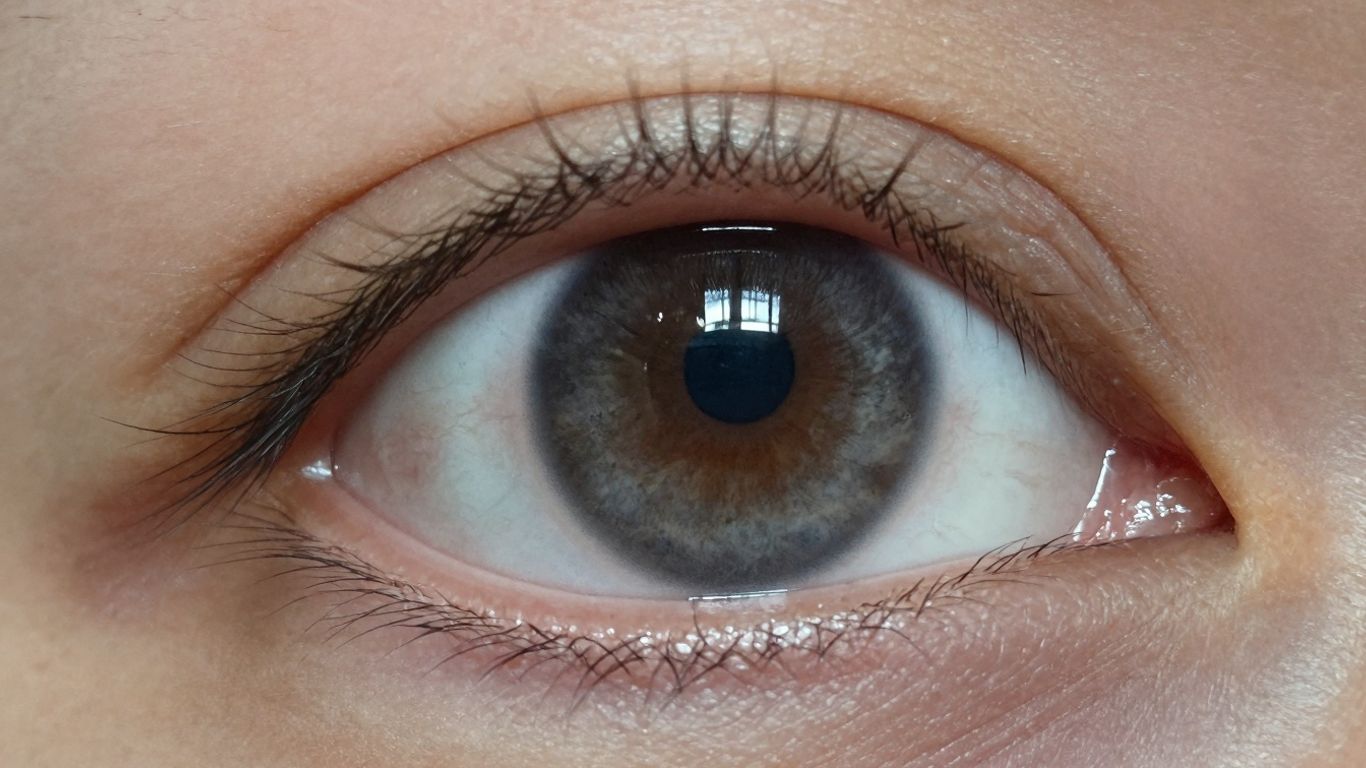
A grey spot on your eyeball might seem alarming, and while some causes are benign, others need prompt attention. It's not always easy to tell the difference on your own, so understanding the possibilities is a good first step.
Corneal Ulcers and Keratitis
When a grey spot appears on the clear front part of your eye, known as the cornea, it could signal a serious issue like keratitis or a corneal ulcer. Keratitis is essentially inflammation of the cornea, and it can be caused by infections (bacterial, viral, fungal, or parasitic), dry eyes, or even injury. A corneal ulcer is a more severe form, essentially an open sore on the cornea, often resulting from untreated keratitis or a significant injury. These conditions can be quite painful and affect your vision.
- Infections: Bacteria, viruses, or fungi can invade the cornea, leading to inflammation and potential ulceration.
- Trauma: Scratches or injuries to the cornea can create an entry point for infection.
- Dry Eye: Chronic dry eyes can make the cornea more vulnerable to damage and infection.
- Contact Lens Wear: Improper cleaning or prolonged wear of contact lenses is a common risk factor for corneal ulcers.
If you suspect a corneal ulcer or keratitis, it's important to seek immediate medical help. Delaying treatment can lead to permanent vision loss. You might experience pain, redness, light sensitivity, and blurry vision along with the grey spot.
Pigmented Lesions and Melanosis
Sometimes, a grey or brownish spot on the white part of your eye (the sclera) is due to pigment cells. This can happen in a few ways. Melanosis, for instance, involves an increase in melanocytes, the cells that produce pigment. This can be a harmless condition, especially in individuals with darker skin tones, and is sometimes called racial conjunctival melanosis. It's usually congenital, meaning present from birth. Another possibility is a nevus, which is similar to a mole or freckle on the skin. While most pigmented spots are benign, it's still wise to have them checked out. Any new or changing pigmented spot on your eye warrants a professional evaluation.
Age-Related Changes and Other Factors
As we get older, our eyes can undergo various changes. One common age-related condition is a pinguecula, which is a yellowish, slightly raised growth on the conjunctiva (the clear membrane covering the sclera). While typically yellowish, it can sometimes appear greyish. Pingueculae are often linked to long-term exposure to sunlight, wind, and dust. Another condition, spheroidal degeneration, can also cause greyish or yellowish deposits on the cornea, often seen in older individuals. Additionally, certain medications or exposure to substances like silver (in some older eyedrops) can lead to a greyish discoloration of the sclera, a condition known as argyrosis.
It's easy to dismiss a small spot on your eye as just a minor annoyance, but the eye is a complex organ. What might seem like a simple discoloration could be a sign of something that needs attention. Getting a proper diagnosis is key to ensuring your vision stays healthy.
Recognizing Associated Symptoms
Sometimes, a grey spot on your eyeball isn't the only thing you'll notice. The other symptoms you experience can give your eye doctor a big clue about what's going on. It really depends on the cause of that spot.
Symptoms Accompanying Corneal Issues
If your grey spot is related to something affecting the cornea, like an ulcer or inflammation (keratitis), you're likely to have a few other noticeable issues. These can pop up pretty quickly and might make you feel quite uncomfortable.
- Redness of the eye, sometimes quite intense.
- Pain or a feeling of grittiness, like something is stuck in your eye.
- Sensitivity to light (photophobia), making bright lights really bothersome.
- Watery eyes or excessive tearing.
- Blurred vision that can come on suddenly.
- Swelling of the eyelid.
When Melanosis Presents Without Other Symptoms
On the flip side, some conditions, like certain types of melanosis (pigmented spots), might not come with any other symptoms at all. You might just notice the spot itself, and it could be completely painless. This is common with things like conjunctival primary acquired melanosis or even just age-related changes. Sometimes, these spots are just a cosmetic concern and don't affect how you see or feel. However, even if there are no other symptoms, it's still a good idea to get it checked out, just to be sure it's not something more serious.
Vision Changes Indicating Serious Conditions
While some spots are harmless, others can signal a more significant problem that could impact your sight. Any noticeable change in how clearly you see, especially if it happens quickly, should be taken seriously. This could include:
- Sudden blurriness or loss of vision.
- Seeing floaters, which are little specks or cobwebs drifting in your vision. These can sometimes be shadows cast onto your retina [c63c].
- Flashes of light.
- A shadow or curtain appearing in your field of vision.
It's really tough to tell on your own if a grey spot is just a harmless mark or something that needs immediate medical attention. Because the eye is so delicate, it's always best to let a professional take a look if you're concerned about any new spot or discoloration.
When to Consult an Eye Care Professional
Seeing a new spot or change on your eyeball can be a bit unsettling, right? It's totally normal to wonder what's going on. While many eye spots are harmless, some can signal something that needs a doctor's attention. Don't just wait and hope it goes away; getting it checked out is the smart move.
Importance of Professional Diagnosis
Trying to figure out if a grey spot is just a benign change or something more serious on your own is pretty much impossible. Your eye doctor has the tools and the know-how to tell the difference. They can look at the spot closely and figure out what's causing it. This is super important because some conditions, like certain types of melanosis or even early signs of ocular melanoma, need prompt treatment to prevent vision loss or other complications. Even something like a corneal ulcer, which might start as a small greyish area, needs quick action to avoid permanent damage.
Diagnostic Procedures for Grey Spots
When you visit the eye doctor for a grey spot, they'll likely start with a good old-fashioned eye exam. They'll check your vision and then use special lights and drops to get a really clear look at your eye's surface. Sometimes, they might use a special camera or imaging device, like an OCT (Optical Coherence Tomography), to get detailed pictures of the spot and see how deep it goes. If they suspect an infection, like with a corneal ulcer, they might take a small sample of fluid or cells from the spot to send to a lab for testing. This helps them pinpoint the exact cause, whether it's bacteria, a virus, or something else.
Urgency for Vision-Threatening Symptoms
Most of the time, a grey spot might not cause any pain or vision changes, which can make it easy to ignore. But if you start noticing other things happening with your eye, that's when you need to act fast. Things like:
- Sudden or worsening eye pain
- A noticeable change in your vision, like blurriness or seeing floaters
- Increased sensitivity to light
- A feeling like something is stuck in your eye that won't come out
- Redness or discharge from the eye
These symptoms, especially when combined with a new spot, could point to a more serious issue like a corneal ulcer or even something affecting the inner parts of your eye. In these cases, seeing an eye doctor right away is really important to protect your sight.
It's easy to think a small change on your eye isn't a big deal, especially if it doesn't hurt. But our eyes are complex, and even minor-looking spots can sometimes be a sign of something that needs professional attention. Getting a diagnosis from an eye care specialist is the only way to know for sure what you're dealing with and to get the right care if it's needed.
Treatment and Management of Grey Spots
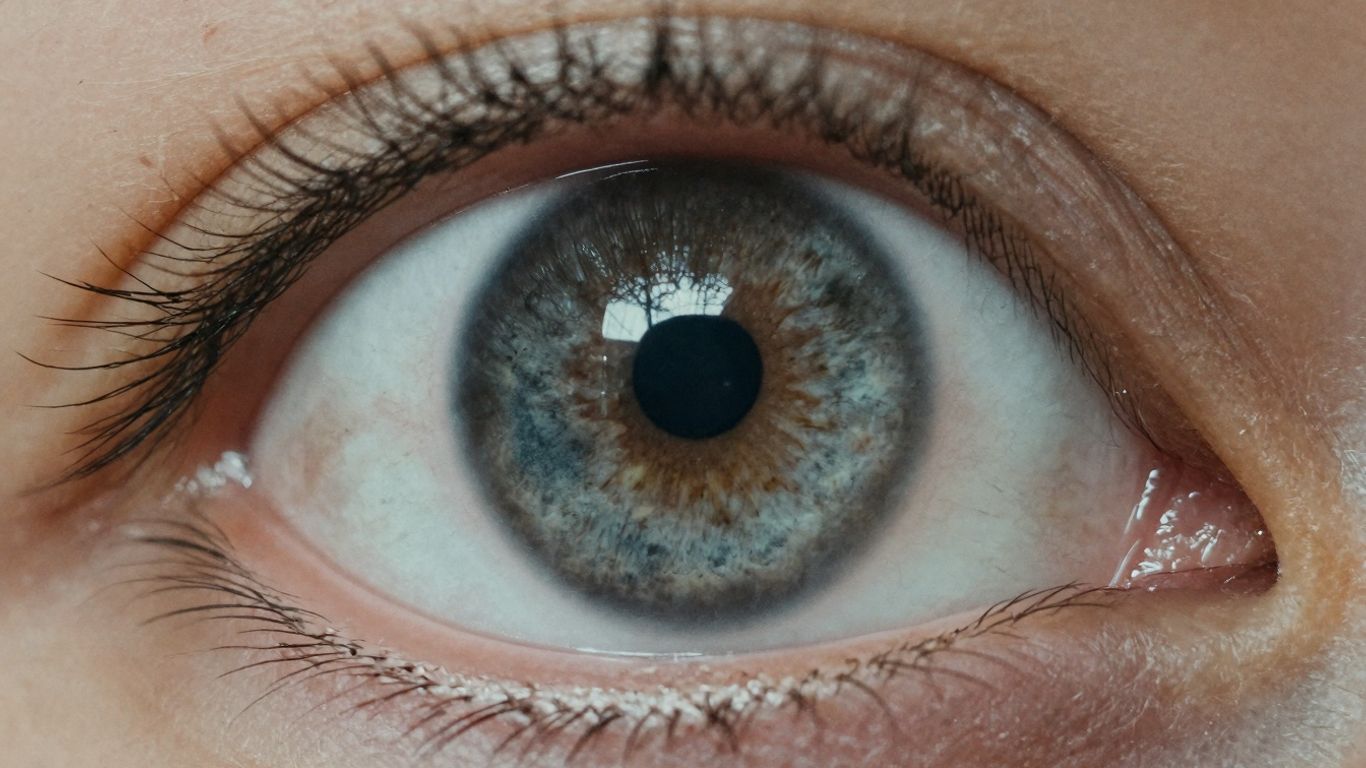
So, you've got this grey spot on your eyeball, and you're wondering what happens next. Well, the treatment really boils down to what's causing it in the first place. It's not a one-size-fits-all situation, you know?
Treatment Based on the Underlying Cause
If your grey spot is due to something like an infection, like a corneal ulcer or keratitis, the focus will be on clearing that up. This usually means prescription eye drops, maybe antibiotics or antivirals, depending on what kind of bug is causing the trouble. The goal here is to stop the infection and prevent it from doing more damage to your eye. Sometimes, if there's scarring left behind, it might just fade over time, or it could be permanent. For things like age-related changes or minor injuries, often, no active treatment is needed. Your eye doctor will likely just keep an eye on it during your regular check-ups.
When No Treatment is Necessary
Honestly, a lot of these grey spots, especially those that pop up with age or from a minor bump, are just harmless. They might be a bit of a cosmetic concern, but if they aren't affecting your vision or causing any pain or irritation, your doctor might just decide to leave it be. Interfering with something that's not causing problems could actually lead to more issues, and nobody wants that. So, if it's stable and not bothering you, it might just be a "watch and wait" situation.
Addressing Malignant Conditions
Now, if the grey spot turns out to be something more serious, like a type of eye cancer (think uveal melanoma or certain forms of conjunctival melanosis), then things get more involved. Treatment here is all about tackling the cancer. This could involve:
- Radiation Therapy: Using targeted radiation to destroy cancer cells.
- Surgery: This might range from removing the spot itself to, in more severe cases, removing the entire eyeball (enucleation).
- Topical Chemotherapy: Special eye drops containing anti-cancer medication.
- Laser Therapy: Sometimes used, but often reserved for more advanced cases or specific types of growths.
It's a bit scary to think about, but if it's cancer, getting prompt and appropriate treatment is super important to prevent it from spreading to other parts of your body. Your eye doctor and possibly an oncologist will work together to figure out the best plan for you.
It's really important not to try any over-the-counter remedies or home tricks to "whiten" or clear up a grey spot without talking to your eye doctor first. Some of these products can actually be harmful and cause more damage than good. Always get a professional opinion before trying anything new on your eye.
For conditions like Primary Acquired Melanosis (PAM), which can be precancerous, your doctor might use imaging techniques like OCT to monitor it closely. If it shows concerning changes, a biopsy might be needed to determine the best course of action, which could involve observation or surgical removal.
Ultimately, the management plan is tailored to the specific cause, size, and potential risks associated with the grey spot. Regular follow-ups are key, especially if there's any history of concerning conditions or if the spot shows any changes.
So, What's the Takeaway?
Seeing a gray spot on your eye can be a bit unnerving, and it's totally understandable to worry. While many of these spots turn out to be harmless, like those that come with age or just from being out in the sun, it's really not something you should try to diagnose yourself. Because some of these spots can signal more serious issues, including eye cancer, it's always best to get it checked out by an eye doctor. They have the right tools to figure out what's going on and tell you if you need to do anything about it. Don't put it off – your eyes are too important!
Frequently Asked Questions
What is a grey spot on the white of my eye?
A grey spot on the white part of your eye, called the sclera, can be caused by many things. It might be a harmless spot from aging or an injury, or it could be a sign of something more serious like an infection or even a rare type of eye cancer. Sometimes, it's just a harmless collection of pigment cells. It's always best to have it checked by an eye doctor to know for sure.
Are grey spots in the eye always serious?
Not all grey spots on your eye are serious. Many are harmless and can be caused by things like aging, a minor injury, or just how your eyes naturally have pigment. However, some spots can indicate a problem that needs attention, such as an infection or a growth. That's why it's important to see a doctor if you notice a new spot or if an existing one changes.
What are the common causes of grey spots on the eyeball?
Common causes include issues with the cornea, the clear front part of your eye, like infections (keratitis) or ulcers, which can leave a grey mark. Pigment changes, like melanosis, can also cause grey or brown spots. Sometimes, age-related changes or even tiny bits of foreign material stuck in the eye can lead to these spots.
When should I worry about a grey spot on my eye?
You should see an eye doctor if the grey spot is new, has changed in size or color, is causing pain, redness, blurry vision, or if you feel like something is in your eye. Any sudden changes or discomfort are reasons to get it checked out quickly.
Can a grey spot on my eye affect my vision?
Yes, in some cases. If the grey spot is on the cornea (the clear front window of your eye) and is caused by an infection or inflammation, it can block light and make your vision blurry. Spots that grow larger or are in a critical area might also impact how well you see. This is why a doctor's evaluation is important.
How do doctors diagnose the cause of a grey spot?
An eye doctor will usually look at your eye closely using a special magnifying microscope called a slit lamp. They might also use other tools to get a better look at the inside or surface of your eye, or they might take pictures. In some rare cases, they might need to take a tiny sample of the tissue for testing.