

Discover Effective Dry Eye Relief: Solutions for Lasting Comfort
Dry eyes can really throw a wrench in your day, can't they? That gritty feeling, the blurriness, or just general discomfort – it's more than annoying; it can actually make it tough to get through your daily tasks. Whether you're staring at a screen for hours or just out in the wind, the struggle is real. But the good news is, there are plenty of ways to find some much-needed dry eye relief. Let's talk about how you can get back to seeing clearly and feeling comfortable again.
Key Takeaways
- Understanding the different types of dry eye, like evaporative or aqueous deficiency, helps in choosing the right relief strategy.
- Lubricating eye drops offer quick comfort, while specialized contact lenses can help maintain eye moisture.
- Preservative-free drops are often best for sensitive eyes or frequent use, with gel options providing longer relief for severe dryness.
- Advanced treatments like IPL and radiofrequency therapy can address underlying issues for more lasting dry eye relief.
- Consistent home care routines and regular check-ups with an eye doctor are important for managing dry eye long-term.
Understanding Your Dry Eye Relief Needs
Identifying Types of Dry Eye
Dry eye isn't just one thing; it's more like a spectrum. For some, it's about not producing enough tears. This is called aqueous deficiency dry eye. Your eyes just don't make the watery component of tears needed to keep things lubricated. Then there's evaporative dry eye. This happens when the oily layer of your tears evaporates too quickly. Often, this is linked to issues with the tiny oil glands in your eyelids, called the meibomian glands. Sometimes, people have a bit of both. Knowing which type you're dealing with is a big step because the best way to get relief can be different for each. It's like trying to fix a leaky faucet – you need to know if the problem is with the water pressure or the seal.
Recognizing Symptoms and Triggers
So, what does dry eye actually feel like? It can be a whole range of sensations. You might feel that gritty, sandy feeling, like something's stuck in your eye. Burning or stinging is common, too. Sometimes, your eyes might just feel tired or achy, especially after a long day. Blurry vision that comes and goes can also be a sign. And oddly enough, sometimes your eyes might water excessively. This can happen when your eyes get irritated and try to overcompensate by making a flood of tears, but these tears aren't the right kind to actually help. What makes it worse? Lots of things can be triggers. Spending hours staring at a computer screen, being in dry, air-conditioned environments, or even windy conditions can all ramp up the discomfort. Certain medications or even just the natural aging process can play a role too.
The Importance of a Dry Eye Exam
If you're experiencing these symptoms regularly, it's really worth getting a proper dry eye exam. It's not just about getting a prescription for eye drops. Your eye doctor can look closely at the surface of your eyes and check how well your tear film is working. They can assess the oil glands in your eyelids and see if there's any inflammation. This detailed look helps them figure out the specific type of dry eye you have and what's causing it. Without this information, you might be trying treatments that just aren't the right fit for your situation. A good exam is the first step toward a treatment plan that actually works for the long haul, rather than just offering temporary fixes. It's about getting to the root of the problem so you can find lasting comfort.
Effective Dry Eye Relief Strategies
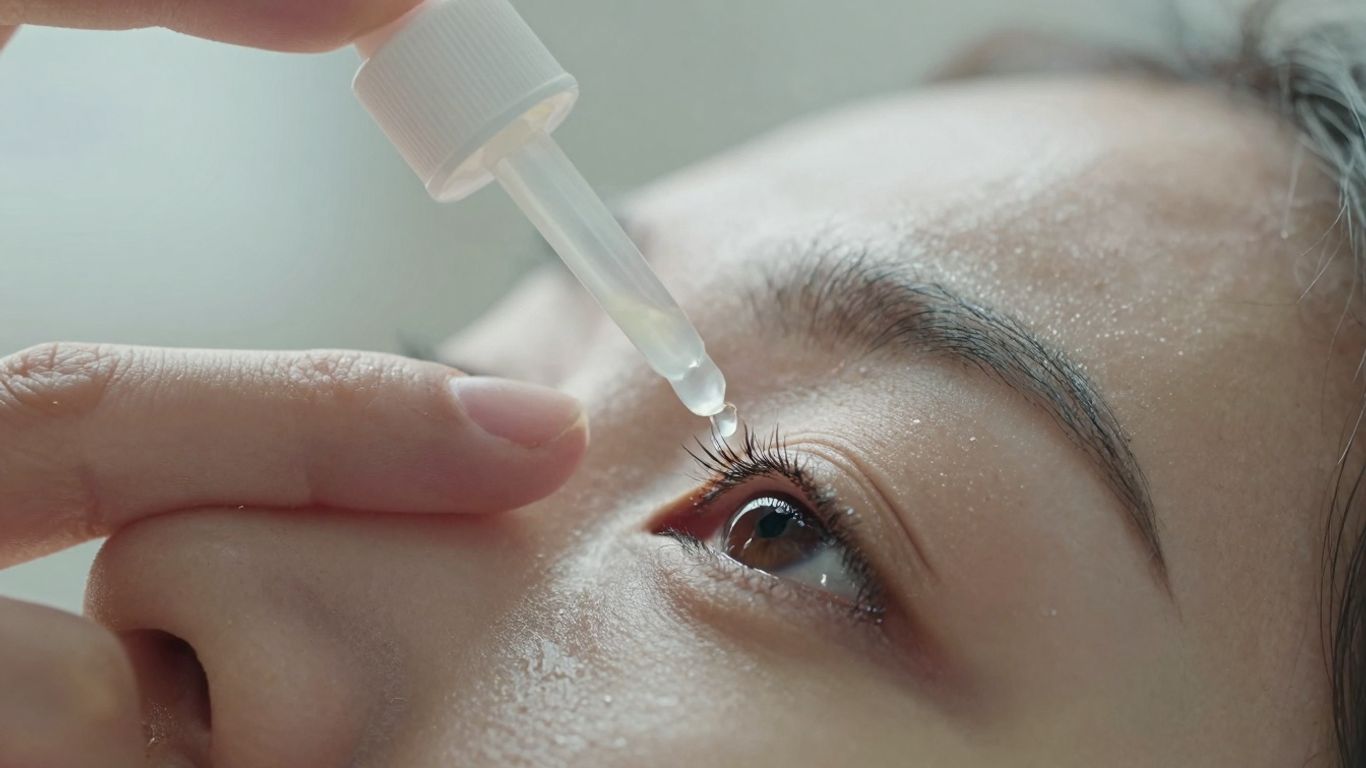
Dealing with dry eyes can feel like a constant battle, but thankfully, there are several ways to find some relief and get back to feeling comfortable. It’s not just about slapping in some drops and hoping for the best; there are different approaches depending on what's causing your discomfort.
Lubricating Eye Drops for Instant Comfort
When your eyes feel gritty or like there's something in them, lubricating eye drops, often called artificial tears, are usually the first line of defense. They add moisture back to your eyes, giving you quick relief. Think of them as a temporary fix to make things feel better right away. You can find a bunch of these over-the-counter, and they come in different forms. Some are thin and watery, good for a quick refresh, while others are thicker, like gels, which stick around longer but might make your vision a bit blurry for a short while. If you find yourself needing drops more than four times a day, it's a good idea to look for preservative-free options. Preservatives can be helpful for shelf life, but using them too often can actually irritate your eyes more.
Specialized Contact Lenses for Dry Eyes
If you wear contact lenses and struggle with dryness, you might be surprised to learn there are special lenses designed just for you. These aren't your standard contacts. Some are made to hold more moisture, helping to keep your eyes hydrated throughout the day. Others are designed to protect the surface of your eye, creating a smoother surface for your eyelids to glide over. These specialized lenses can make a big difference for people whose dry eye symptoms are made worse by wearing contacts. It’s worth chatting with your eye doctor about whether these might be a good fit for your situation.
Lifestyle Adjustments for Eye Health
Sometimes, the simplest changes to your daily routine can have a big impact on dry eye symptoms. Things like spending too much time staring at screens, being in dry, air-conditioned environments, or even not blinking enough can all contribute to dry eyes. Making an effort to take breaks from your computer, using a humidifier at home or work, and consciously remembering to blink more often can help. Also, paying attention to your diet and staying hydrated by drinking plenty of water is good for your overall health, including your eyes. These aren't treatments in the traditional sense, but they are important steps in managing your eye comfort long-term.
It's easy to think of dry eye as just a minor annoyance, but it can really affect your daily life. When your eyes are constantly uncomfortable, it's hard to focus on work, enjoy hobbies, or even just relax. Finding the right strategies, whether it's the right eye drops, special contacts, or simple lifestyle tweaks, can make a huge difference in how you feel and see the world.
Choosing the Right Eye Drops for Dry Eye Relief
When your eyes feel like sandpaper, reaching for the right eye drops can make a world of difference. But with so many options on the shelves, how do you pick the best one for your dry eyes? It’s not just about grabbing the first bottle you see; understanding a few key differences can lead to much more effective relief.
Preservative-Free Options for Sensitive Eyes
If you have sensitive eyes or find yourself using drops multiple times a day, preservatives can become a problem. Standard eye drops often contain preservatives to keep them from spoiling, but these can sometimes cause irritation, especially with frequent application. Preservative-free eye drops are designed to be gentler, offering soothing relief without that added chemical sting. They are often packaged in single-use vials or special multi-dose bottles that prevent contamination without preservatives. If regular drops leave your eyes feeling worse, it’s definitely worth trying a preservative-free version.
Gel-Based vs. Liquid Drops for Severe Dryness
The texture of an eye drop matters, especially when dryness is more than just a minor annoyance. Liquid drops are lighter and absorb quickly, providing fast but often shorter-lived relief. They’re great for mild to moderate dryness or when you need clear vision immediately after application. For more severe dry eye symptoms, gel-based eye drops like Systane Gel Drops or Refresh Celluvisc offer longer-lasting comfort. These options provide enhanced relief for those experiencing significant dryness. Their thicker consistency means they stay on the eye’s surface longer, offering sustained hydration, particularly useful overnight. Just be aware that they might cause temporary blurry vision right after application.
Top Over-the-Counter Eye Drop Recommendations
Navigating the aisles can be overwhelming, but here are a few popular and effective over-the-counter choices to consider:
- Systane Complete PF: A good all-rounder for various dry eye issues, offering preservative-free, multi-symptom relief.
- Refresh Optive Preservative-Free: Ideal for sensitive eyes, often available in convenient single-use vials.
- TheraTears Lubricant: A reliable choice for mild to moderate dryness, featuring electrolytes.
- Thealoz Duo: Combines lubrication with soothing relief, suitable for moderate to severe symptoms.
Choosing the right eye drops often comes down to your specific symptoms and how often you need to use them. What works wonders for one person might not be the best fit for another. Don't be afraid to try a couple of different types to see what feels best for your eyes.
Remember, consistency is key. Using your chosen drops regularly, as recommended, will give you the best chance at sustained comfort. If you’re unsure which type is best for you, your eye care professional can offer personalized advice based on your eye health.
Advanced Treatments for Lasting Dry Eye Relief
Sometimes, the usual drops and lifestyle tweaks just don't cut it for dry eye. When that happens, it's time to look at some more involved options. These treatments aim to get to the root of the problem, offering relief that lasts longer than just a few hours.
Intense Pulsed Light (IPL) Therapy
This isn't your typical spa facial light. Intense Pulsed Light (IPL) therapy uses specific wavelengths of light to treat the skin around your eyes. It's particularly helpful for evaporative dry eye, which is often caused by issues with the tiny oil glands in your eyelids, called meibomian glands. These glands can get blocked or not produce enough oil, leading to tears that evaporate too quickly. IPL works by reducing inflammation and abnormal blood vessels around the glands, helping them function better. It's a non-invasive way to improve the quality of your tear film. Many people find their eyes feel significantly more comfortable after a series of treatments.
Radiofrequency Treatment for Meibomian Glands
Similar to IPL, radiofrequency (RF) treatment also targets those crucial meibomian glands. RF energy gently heats the eyelids, melting away blockages in the oil glands. This process helps to restore the natural oil flow that's so important for a healthy tear film. Think of it like unclogging a drain – once the oil can flow freely, your tears can do their job properly. This can lead to a noticeable reduction in dryness and irritation. Some clinics offer treatments like TempSure Envi which uses this technology.
Personalized Treatment Plans
What works for one person might not work for another, and that's where personalized plans come in. Your eye doctor will look at your specific type of dry eye, how severe it is, and what might be causing it. They might suggest a combination of treatments, like IPL followed by a special eyelid massage, or perhaps RF treatment alongside prescription eye drops.
- Assessment: A thorough eye exam to pinpoint the cause.
- Combination Therapy: Using multiple approaches for better results.
- Monitoring: Regular check-ups to adjust the plan as needed.
It's important to remember that these advanced treatments often require a series of sessions to achieve the best and most lasting results. Don't get discouraged if you don't feel 100% better after just one visit. Consistency is key, and working closely with your eye care professional will help you find the right path to comfort.
Maximizing Your Dry Eye Relief Journey
So, you've explored the different ways to get some relief for your dry eyes, from drops to lifestyle tweaks. That's great! But getting comfortable isn't just about finding the right treatment; it's about sticking with it and knowing what to expect. Think of it like tending a garden – you can't just plant the seeds and walk away. You need to water it, give it sun, and keep an eye out for weeds.
Consistency in Home Care Routines
This is where the real magic happens for long-term comfort. Those little things you do at home, day in and day out, make a big difference. It might seem like a hassle at first, but making them part of your daily rhythm is key.
- Warm Compresses: Applying a warm compress to your closed eyelids for about 5-10 minutes can help loosen up any blockages in your meibomian glands. This is especially helpful if your dry eye is related to the oil layer of your tears not working right.
- Eyelid Hygiene: Gently cleaning your eyelids, perhaps with a special wipe or a diluted baby shampoo solution, can remove debris and bacteria that might be irritating your eyes or contributing to gland issues.
- Blinking Exercises: When you're staring at a screen for hours, you tend to blink less. Consciously taking breaks to do a full blink (close, hold, open) can help spread your tears more evenly.
- Hydration and Diet: Drinking enough water is important for your whole body, including your eyes. Some people also find that adding omega-3 fatty acids, either through supplements or foods like fish, can help improve tear quality.
Understanding Treatment Duration
It's important to be patient. Dry eye is often a chronic condition, meaning it doesn't just disappear overnight. What works for one person might take a few weeks or even months to show its full effect for another.
Don't get discouraged if you don't feel completely better right away. Many treatments require consistent application over time to build up their benefits. It's a marathon, not a sprint, for lasting comfort.
When to Consult an Eye Care Professional
While many dry eye issues can be managed with over-the-counter products and home care, there are times when you really need to see your eye doctor.
- Symptoms Worsen or Don't Improve: If your eyes are getting more uncomfortable, or if the treatments you're trying aren't helping after a reasonable period, it's time for a check-up.
- Sudden Vision Changes: Any sudden blurriness, double vision, or significant changes in how you see warrant an immediate visit.
- Signs of Infection: If you notice increased redness, swelling, discharge, or pain, these could be signs of an infection that needs professional attention.
- Considering Advanced Treatments: If you've tried the basics and are still struggling, your eye doctor can discuss more specialized options like prescription drops, punctal plugs, or in-office procedures.
Regular follow-up appointments are also a good idea, even if you feel okay. Your eye doctor can monitor your condition, adjust your treatment plan as needed, and catch any potential problems before they become serious. Your eye doctor is your best partner in achieving and maintaining comfortable, healthy eyes.
Introducing Steam Eye Masks for Enhanced Relief
For an added layer of comfort and therapeutic benefit, consider incorporating steam eye masks into your dry eye relief routine. These masks are designed to provide gentle warmth and moisture, which can be incredibly soothing for tired and dry eyes.
Benefits of Steam Eye Masks
Steam eye masks offer several advantages for dry eye sufferers. The warmth helps to stimulate the meibomian glands, encouraging the production of essential oils that stabilize the tear film and prevent rapid evaporation. This can significantly alleviate symptoms of evaporative dry eye. Additionally, the moist heat can help to relax the delicate muscles around the eyes, reducing strain and fatigue. The self-heating nature of many masks makes them incredibly convenient for use at home or even while traveling.
Convenience and Ease of Use
One of the biggest draws of steam eye masks is their simplicity. Most are single-use and require no preparation other than opening the package. Once applied, they typically start to warm up within minutes, providing a consistent and comfortable temperature for about 10-20 minutes. This makes them an ideal option for a quick self-care session during a break from work, before bed, or anytime you need a moment of soothing relief. Their portability also means you can easily pack them for use on airplanes or in dry hotel rooms.
Recommended Brand: Lumidew
When choosing a steam eye mask, quality and effectiveness are key. Lumidew is a highly recommended brand known for its premium steam eye masks. Lumidew masks are crafted with high-quality materials and designed to deliver optimal warmth and moisture for maximum therapeutic benefit. They are often praised for their comfortable fit and long-lasting heat, making them a reliable choice for consistent dry eye relief. If you're looking to enhance your dry eye management strategy, Lumidew steam eye masks are an excellent addition.
Finding Your Way to Comfortable Eyes
So, dealing with dry eyes can be a real pain, but it doesn't have to be your forever story. We've looked at a bunch of ways to get some relief, from simple drops to steam masks and more specific treatments. Remember, what works for one person might not be the magic bullet for another. It’s really about figuring out what’s going on with your eyes and trying out different options. Don't be afraid to chat with your eye doctor; they're the best resource for getting a plan that actually helps you feel better long-term. Taking care of your eyes means you can get back to seeing clearly and just feeling more comfortable day-to-day.
Frequently Asked Questions
What are the main types of dry eye?
There are two main kinds of dry eye. One is called evaporative dry eye, where your tears dry up too fast. This often happens when the oil glands in your eyelids aren't working right. The other type is aqueous deficiency, where your eyes just don't make enough tears to begin with. Some people have a mix of both.
How can I tell if I have dry eyes?
Common signs of dry eyes include a gritty or sandy feeling, burning or stinging, redness, blurry vision, and eyes that feel tired or sensitive to light. Sometimes, your eyes might even water a lot as a reaction to being too dry.
What are preservative-free eye drops and why are they good?
Preservative-free eye drops don't have chemicals that keep regular eye drops from spoiling. These are great for people with sensitive eyes or those who need to use drops many times a day. They are less likely to cause irritation and are a gentler choice for your eyes.
When should I see a doctor about my dry eyes?
You should see an eye doctor if your dry eye symptoms are severe, don't get better with over-the-counter drops, or if they start affecting your daily life. It's also a good idea to get a special dry eye exam if you notice changes in your vision or if your eyes feel constantly uncomfortable.
Are gel drops or liquid drops better for severe dry eyes?
Gel drops are thicker and stay on your eyes longer, offering more lasting relief, especially overnight. They're good for severe dryness but might make your vision a bit blurry for a short time. Liquid drops are lighter, work faster, and don't blur vision, making them better for mild to moderate dryness or daytime use.
Can lifestyle changes help with dry eyes?
Absolutely! Simple changes can make a big difference. Try taking breaks from screens, using a humidifier to add moisture to the air, wearing sunglasses outdoors to protect your eyes from wind and sun, and making sure you blink often. Drinking plenty of water and eating healthy foods can also help keep your eyes comfortable.